



*What is a Pap Smear Test for Women? And Which Age is Good for a Pap Smear?
Understanding the Pap Smear Test
When it comes to women’s preventative healthcare, few diagnostic screenings are as powerful or transformative as the Pap smear test. Also known as a Pap test, this quick, routine gynecological screening has reduced cervical cancer mortality rates worldwide by identifying dangerous cellular changes long before they ever turn into active cancer.
Despite its importance, many women delay or completely skip their routine Pap tests due to fear, embarrassment, or simple confusion about what the procedure actually involves. Understanding how a Pap smear works, when to start getting tested, and what your results mean is essential for taking charge of your long-term reproductive health.
What Exactly is a Pap Smear Test?
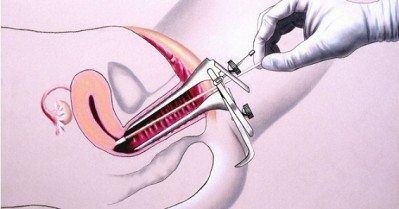
A Pap smear is a simple, non-surgical clinical procedure used to collect a small sample of cells from the surface of your cervix. The cervix is the lower, narrow part of the uterus that opens into the vagina. During the test, a gynecologist gently opens the vaginal walls using a smooth tool called a speculum and uses a small brush or swab to gently sweep a tiny sample of cervical cells.
This sample is then sent to a pathology laboratory, where it is examined under a high-powered microscope. Pathologists look for cervical dysplasia—abnormal cell changes that are not yet cancerous, but have the potential to turn into cervical cancer over several years if left untreated.
What a Pap Smear Does (And Doesn’t) Detect:
- What it detects: Pre-cancerous cervical changes, active cervical cancer cells, and sometimes HPV-related cellular damage or localized infections.
- What it does NOT detect: Ovarian cancer, uterine fibroids, STDs (like chlamydia or gonorrhea, which require separate swabs/blood tests), or endometriosis.
Why is the Pap Smear So Important?
Cervical cancer is almost entirely preventable when caught early. The primary cause of cervical cancer is persistent infection with high-risk strains of the Human Papillomavirus (HPV), a very common virus transmitted through close personal or sexual contact.
Most HPV infections clear up naturally through your immune system. However, when high-risk HPV strains linger for years, they quietly alter the DNA of cervical cells. Because pre-cancerous cervical changes cause zero pain, zero bleeding, and zero noticeable physical symptoms, a Pap smear is often the only way to catch these abnormalities early.
Which Age is Good for a Pap Smear? (Guidelines & Frequency)
Medical guidelines regarding cervical screening are strictly age-dependent to ensure women receive the maximum medical benefit without undergoing unnecessary procedures.
| Age Group | Recommended Screening Protocol |
| Under Age 21 | No screening required. Cervical cancer is extremely rare in teenagers, and temporary cell changes clear naturally. |
| Ages 21 – 29 | First Pap smear at age 21. Repeat the test every 3 years if your previous results were completely normal. |
| Ages 30 – 65 | Option A: Pap smear every 3 years. Option B: Combined Pap + HPV Co-testing every 5 years (Preferred method). |
| Over Age 65 | Screening can be stopped if you have had consistently normal results over the preceding 10 years and no history of high-grade lesions. |
Exceptions to Standard Guidelines:
You may require more frequent Pap smears regardless of age if you:
- Have a personal history of cervical cancer or pre-cancerous cervical lesions.
- Have a weakened immune system due to autoimmune conditions or medications.
- Were exposed to Diethylstilbestrol (DES) in utero.
- Have received an abnormal Pap smear result in recent years.
What to Expect During and After the Test
- Preparation: Schedule your Pap smear for a day when you are not on your period. Avoid vaginal creams, lubricants, or sexual intercourse for 48 hours prior to the test, as these can obscure cellular samples.
- During the Test: The actual procedure takes less than two minutes. You may feel a slight sensation of pressure or mild cramping when the cells are collected, but it should not be intensely painful.
- After the Test: You can resume your normal daily activities immediately. Light spotting for a few hours post-test is completely normal.
Decoding Your Pap Smear Results
- Normal (Negative): No abnormal cervical cells were found. You can safely wait for your next scheduled screening cycle.
- Abnormal (Positive): Abnormal cells were detected. This does not mean you have cancer! It simply means certain cells require closer evaluation. Common categories include:
- ASC-US: Atypical cells of undetermined significance (often caused by minor inflammation or low-grade HPV).
- LSIL / HSIL: Low or High-Grade Squamous Intraepithelial Lesions, indicating mild-to-significant pre-cancerous cellular changes that require a follow-up procedure called a colposcopy.
Comprehensive Gynaecological Care at Sanjivani Superspeciality Hospital, Vastrapur, Ahmedabad.
Safeguarding your reproductive health starts with timely, expert-guided screening. At Sanjivani Superspeciality Hospital, Vastrapur, Ahmedabad our Department of Obstetrics & Gynecology provides complete, compassionate care under the expert leadership of Dr. Mamta Bhomia and Dr. Chhavi Bhomia (Sampat).
We offer comprehensive women’s wellness checkups, painless Pap smear screenings, liquid-based cytology, high-risk HPV co-testing, and specialized management for painful periods, uterine fibroids, and high-risk pregnancies. Contact our healthcare team today to book your routine screening!
Know More > https://www.instagram.com/sanjivani_hospital_ahmedabad/
Know More > https://share.google/x33Mpy4Ijen7WGZVf