



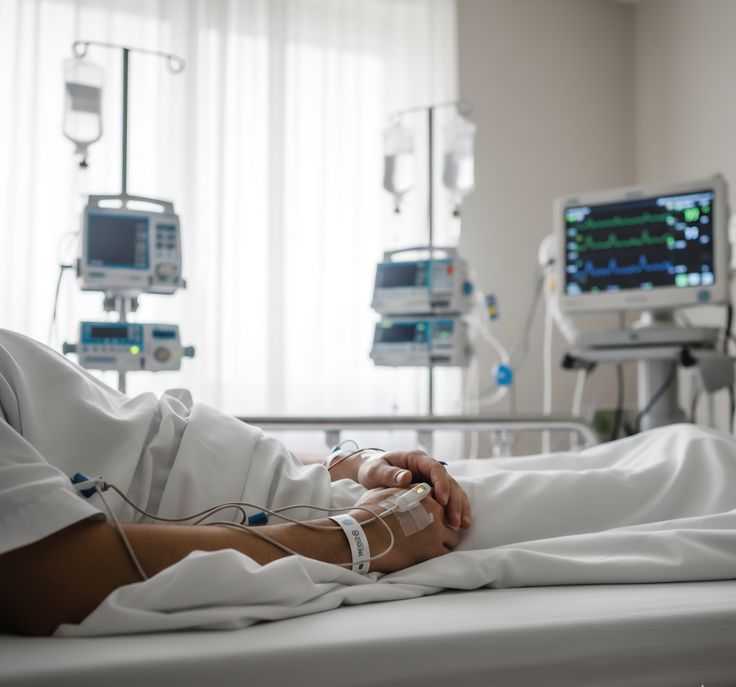
When a medical crisis strikes, the Intensive Care Unit (ICU) becomes the center of life-saving intervention. Whether it is a life-threatening infection, sudden respiratory failure, major post-operative instability, or multi-organ dysfunction, surviving severe illness requires more than standard medical care. It demands acute clinical judgment, second-by-second physiological monitoring, and advanced technical intervention.
At the center of this high-stakes ecosystem is the Critical Care Consultant—also known as an Intensivist.
While specialized physicians focus deeply on isolated organ systems—such as the heart, lungs, or kidneys—a critical care consultant is trained to manage the delicate, complex interplay of the entire human body when it is under severe, life-threatening stress. Understanding the role of a critical care specialist helps patients and families navigate the ICU with confidence and clarity.
What Is a Critical Care Consultant?
A critical care consultant is a medical specialist with advanced subspecialty training in intensive care medicine. These experts lead multidisciplinary ICU teams, caring for patients with acute, life-threatening illnesses or injuries.
In a modern medical center, the critical care consultant functions as the chief strategist and primary clinical decision-maker for unstable patients. They bridge internal medicine, pulmonology, cardiology, nephrology, and clinical pharmacology. When multiple organs begin to fail simultaneously, the intensivist balances competing medical priorities, ensures every physiological system remains stable, and orchestrates life-support protocols to buy the body time to heal.
Core Responsibilities: What Does a Critical Care Specialist Actually Do?
The responsibilities of an intensivist extend beyond routine hospital rounds. In an ICU setting, a patient’s condition can deteriorate within minutes. A critical care consultant continuously directs interventions across several core clinical domains:
1. Advanced Mechanical Ventilation & Airway Management
When acute respiratory distress syndrome (ARDS), severe pneumonia, chronic obstructive pulmonary disease (COPD) exacerbations, or neuro-trauma prevent a patient from breathing independently, the critical care consultant manages the airway:
- Performing emergency endotracheal intubations and managing complex airways.
- Tailoring advanced mechanical ventilator modes to ensure adequate oxygenation while preventing ventilator-induced lung injury (VILI).
- Monitoring blood gas parameters (ABG) continuously to optimize acid-base balance.
- Formulating safe, gradual ventilator weaning strategies as lung function improves.
2. Hemodynamic Stabilization & Invasive Monitoring
Critically ill patients frequently experience severe circulatory collapse, marked by dangerously low blood pressure and inadequate tissue perfusion. The intensivist stabilizes cardiovascular function through:
- Advanced Hemodynamic Monitoring (Invasive & Non-Invasive): Utilizing both non-invasive cardiac output and tissue perfusion assessments alongside invasive arterial lines, central venous access, and dialysis catheters for continuous, real-time arterial pressure wave monitoring and precise volume status evaluation.
- Vasoactive Drug Titration: Selecting and calibrating inotropic agents and vasopressors (such as noradrenaline, vasopressin, and dobutamine) to restore blood flow to vital organs.
- Point-of-Care Ultrasound (POCUS) and Echocardiography: Performing bedside ultrasound evaluations of cardiac function, fluid responsiveness, and lung pathology to make immediate, real-time adjustments to treatment protocols.
3. Management of Sepsis and Septic Shock
Sepsis—a life-threatening systemic response to infection—is one of the leading causes of ICU admission worldwide. A critical care consultant leads aggressive, protocol-driven sepsis management:
- Rapidly identifying the source of infection through targeted diagnostics.
- Initiating targeted, broad-spectrum antimicrobial therapy adjusted for organ clearance.
- Delivering balanced crystalloid fluid resuscitation while preventing dangerous fluid overload.
- Preventing septic shock from progressing to irreversible cellular hypoxia.
4. Renal Support & Continuous Renal Replacement Therapy (CRRT)
Acute kidney injury (AKI) is a frequent complication in critically ill patients. When unstable hemodynamics make standard hemodialysis too dangerous, the intensivist implements and oversees Continuous Renal Replacement Therapy (CRRT). This continuous, gentle blood filtration technique removes toxins, manages fluid overload, and balances electrolytes without causing severe drops in blood pressure.
5. Neuro-Critical Care & Brain Protection
In cases of traumatic brain injury, massive stroke, status epilepticus, or post-cardiac arrest resuscitation, the critical care team implements neuro-protective strategies:
- Continuous monitoring of intracranial pressure (ICP) and cerebral perfusion pressure (CPP).
- Managing targeted temperature control protocols to preserve neurological function following cardiac arrest.
- Balancing precise sedation and analgesia to minimize cerebral metabolic demand while allowing regular neurological reassessments.
Key Medical Conditions Managed by Critical Care Consultants
The critical care unit treats an extensive range of medical emergencies, surgical complications, and trauma conditions:
- Septic Shock & Severe Systemic Infections: Life-threatening infections originating from pneumonia, abdominal sepsis, urinary tract infections, or soft tissue necrosis.
- Acute Respiratory Distress Syndrome (ARDS): Severe lung inflammation and fluid accumulation causing acute hypoxemic failure.
- Multi-Organ Dysfunction Syndrome (MODS): Progressive dysfunction involving two or more organ systems requiring simultaneous mechanical and pharmacological support.
- Severe Polytrauma & Hemorrhagic Shock: High-velocity accident victims suffering from severe blood loss, blunt abdominal trauma, or crushed limbs.
- Post-Operative Critical Care: High-risk surgical patients recovering from complex cardiovascular, thoracic, neurosurgical, or extensive gastrointestinal procedures.
- Metabolic & Endocrine Crises: Severe diabetic ketoacidosis (DKA), hyperosmolar hyperglycemic state (HHS), or acute thyroid emergencies complicated by severe electrolyte imbalances.
- Acute Poisoning & Toxic Ingestion: Overdoses, chemical poisoning, and envenomation requiring immediate antidotes, targeted organ support, and continuous clearance monitoring.
The Advantage of Closed, Intensivist-Led ICUs
Clinical research consistently shows that intensive care units managed under an “intensivist-led” model deliver substantially better patient outcomes. When dedicated critical care consultants direct ICU care, patients experience:
- Lower Mortality Rates: Immediate identification and correction of physiological decompensation reduces preventable complications.
- Shorter ICU Length of Stay: Proactive, structured weaning protocols for mechanical ventilators, vasopressors, and invasive lines help patients stabilize faster.
- Reduced Complication Rates: Strict oversight of central line maintenance, infection prevention bundles, and early mobilization drastically reduces ventilator-associated pneumonia (VAP) and catheter-related bloodstream infections (CRBSI).
- Clear Family Communication: Having a dedicated intensivist provides families with transparent, daily updates on real prognosis, treatment goals, and compassionate end-of-life considerations when needed.
What to Look for in an Advanced Critical Care Unit
When selecting an emergency care facility, the quality of the ICU infrastructure directly impacts clinical outcomes. An advanced intensive care setup should feature:
- 24/7 On-Site Intensivist Coverage: Round-the-clock presence of experienced critical care physicians, rather than on-call support.
- Dedicated ICU Nurse-to-Patient Ratios: High-dependency patients require 1:1 or 1:2 nurse-to-patient monitoring to ensure rapid intervention.
- Advanced Technology: Modern multi-parameter monitors, advanced high-frequency ventilators, point-of-care blood gas analyzers, portable digital X-rays, bedside ultrasound, and bedside dialysis/CRRT machines.
- Comprehensive Infection Control: Specialized negative-pressure isolation suites, HEPA filtration systems, and strict sterilization protocols to protect vulnerable patients from hospital-acquired infections.
- Multidisciplinary Allied Support: Access to dedicated clinical pharmacologists, respiratory therapists, critical care nutritionists, and specialized physical therapists working together on recovery.
Proactive Decision-Making: When Is Critical Care Necessary?
Medical emergencies unfold quickly. Recognizing when advanced critical care support is needed can prevent catastrophic deterioration:
- Severe Breathlessness: Inability to speak in full sentences, rapid shallow breathing, or oxygen saturation dropping persistently below 90%.
- Altered Mental Status: Sudden confusion, extreme lethargy, unresponsiveness, or disorientation alongside systemic illness.
- Severe Hypotension: Dizziness, cold clammy extremities, rapid thready pulse, or systolic blood pressure consistently under 90 mmHg.
- Rapidly Deteriorating Vital Signs: High fever combined with uncontrolled shivering, rapid heart rate, and an abrupt drop in urine output.
If any of these critical warning signs appear in an acutely ill family member, immediate access to a tertiary-care emergency room and intensivist-led ICU is paramount.
Expert Critical Care & ICU Consultation
During life-threatening emergencies, every second matters. Rapid diagnostic precision, continuous multi-organ stabilization, and compassionate clinical care form the foundation of successful patient recovery. Restoring stability in critically ill patients requires a highly coordinated, expert-driven intensive care approach.
For advanced clinical evaluation, emergency multi-organ resuscitation, and comprehensive intensive care management, consult Dr. Khalid, Consultant Critical Care Specialist.
You can schedule consultations, coordinate emergency patient transfers, or arrange urgent critical care admissions at Sanjivani Super Speciality Hospital, located in Vastrapur, Ahmedabad.
- Direct Appointment Bookings & ICU Inquiries: Reach out via telephone at +91 90990 89121 or +91 79909 48404.
- 24/7 Emergency & Critical Care Admissions: Emergency medical care, advanced trauma stabilization, and tertiary-level ICU services are available 24 hours a day, 7 days a week.
For more information : https://www.instagram.com/sanjivani_hospital_ahmedabad/
For more information : https://share.google/xZwvwbbo2DgnwSuCj