

Most people believe that if they do not feel dizzy, exhausted, their blood pressure must be fine. In clinical reality, high blood pressure—medically termed hypertension—rarely announces itself with obvious symptoms. It develops quietly over months and years, earning its reputation as a silent killer.
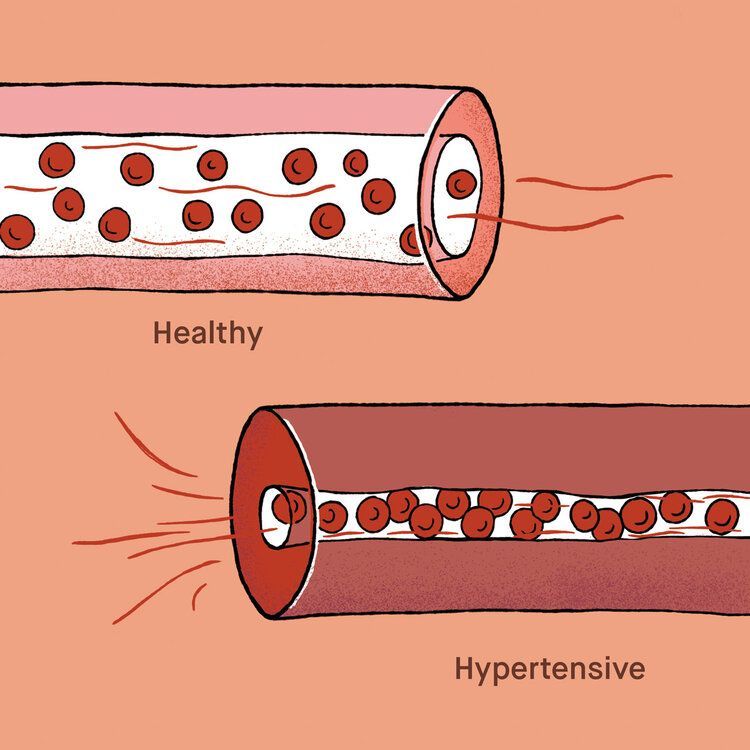
When your heart pumps blood with excessive force against your artery walls day after day, it stretches and tears blood vessels from the inside. This relentless hydraulic stress triggers microscopic inflammation, narrows essential pathways, and starves vital tissues of oxygen. Over time, unmanaged high blood pressure creates systemic damage across your most vital organs: your heart, brain, kidneys, eyes, and circulatory network.
Understanding how high blood pressure affects your body is the first step toward taking control before preventable damage turns into a medical emergency.
| Organ Targeted | Key Physiological Damage | Primary Health Risks |
| Heart | Muscle wall thickening & arterial narrowing | Heart attack, angina, heart failure |
| Brain | Arterial blockage & vessel rupture | Ischemic stroke, brain bleed, memory loss |
| Kidneys | Scarring of delicate micro-filters | Protein in urine, chronic kidney failure |
| Eyes | Retinal blood vessel compression & leaks | Blurry vision, retinal detachment, blindness |
| Arteries | Vessel stiffening, weakening & blockages | Aortic aneurysm, peripheral artery disease |
The Domino Effect: How Hypertension Targets Each Major Organ
Blood vessels run through every single inch of your body. When the pressure inside those conduits stays higher than 130/80 mmHg, five key organ systems bear the burden:
1. Your Heart: Overworked, Enlarged, and Prone to Failure
Your heart is the pump that powers your entire circulatory system. When your peripheral blood vessels are narrow and stiff, your heart must pump significantly harder against that resistance:
- Thickened Heart Muscle (Left Ventricular Hypertrophy): Just as your arm muscles bulk up when lifting heavy weights, the main pumping chamber of your heart thickens to push blood through high-pressure arteries. While this works temporarily, the enlarged muscle eventually becomes stiff, weak, and inefficient, drastically raising the risk of sudden cardiac arrest.
- Coronary Artery Disease & Heart Attacks: High pressure scratches the delicate inner lining of the coronary arteries that feed the heart itself. Circulating cholesterol and plaque settle into these tiny tears, narrowing the arteries. If a plaque ruptures, a blood clot forms, cutting off blood supply and triggering an acute heart attack.
- Heart Failure: Exhausted from pumping against unyielding pressure for years, the heart muscle either becomes too stiff to fill with blood or too weak to pump effectively, leading to fluid accumulation in your lungs and swelling in your legs.
2. Your Brain: Strokes, Mini-Strokes, and Cognitive Decline
Your brain requires a steady, delicate flow of oxygen-rich blood. High pressure destabilizes this sensitive supply line in three ways:
- Ischemic Stroke: When high pressure accelerates plaque buildup in arteries leading to or inside the brain, a blood clot can completely block blood flow. Without oxygen, brain cells die within minutes, causing sudden facial drooping, arm weakness, or speech loss.
- Hemorrhagic Stroke (Brain Bleed): Constant high pressure weakens the walls of tiny penetrating brain arteries until they balloon out and burst, spilling blood directly into brain tissue.
- Transient Ischemic Attacks (TIAs): Often called mini-strokes, TIAs occur when a temporary clot briefly cuts off brain blood flow. They serve as an urgent warning that a massive, life-threatening stroke is imminent.
- Vascular Dementia & Memory Loss: Narrowed or blocked micro-vessels in the brain deprive white matter of oxygen, leading to progressive difficulties with memory, problem-solving, and everyday concentration.
3. Your Kidneys: Scarred Filters and Chronic Renal Disease
Your kidneys filter excess fluid, toxins, and waste from your blood using microscopic, delicate vascular filters called glomeruli:
- Glomerulosclerosis (Scarred Filters): High pressure hammers these micro-filters, causing them to stiffen and scar. Once damaged, the kidneys fail to hold onto essential nutrients, causing albumin (protein) to leak into your urine—one of the earliest signs of kidney stress.
- Chronic Kidney Disease (CKD): As filtering units are destroyed, waste products and fluid build up in the body.
- The Dangerous Cycle: Injured kidneys release hormones that force blood vessels to constrict even further, driving your blood pressure higher and accelerating kidney failure. Left unchecked, this cycle often leads to lifelong dialysis or kidney transplantation.
4. Your Eyes: Retinopathy and Irreversible Vision Loss
The back of your eye (the retina) is packed with tiny, fragile blood vessels:
- High pressure causes retinal arterioles to stiffen, narrow, and compress neighboring veins.
- In severe stages, these fragile vessels leak blood into the eye, swell the optic nerve (papilledema), or detach the retina, resulting in blurry vision, dark spots, or complete blindness.
5. Your Arteries and Legs: Aneurysms and Poor Circulation
- Aortic Aneurysm & Dissection: The aorta is the primary pipeline carrying blood from your heart. Constant pressure can cause a section of the aorta’s wall to balloon (aneurysm) or tear along its inner layer (dissection)—a critical emergency requiring immediate surgery.
- Peripheral Artery Disease (PAD): Narrowed arteries in your pelvis and legs restrict blood flow to your lower limbs, causing painful cramping while walking (claudication), slow-healing foot sores, and cold extremities.
Warning Signs: When High Blood Pressure Is an Emergency
Most people with hypertension feel completely normal. However, when blood pressure spikes dangerously high (typically above 180/120 mmHg), your body flashes critical red flags:
- Severe, throbbing morning headaches
- Sudden blurry vision or double vision
- Chest heaviness, tightness, or radiating arm discomfort
- Sudden shortness of breath while resting or lying flat
- Unexplained dizziness, lightheadedness, or loss of balance
- Spontaneous, frequent nosebleeds
If you experience any of these signs alongside elevated blood pressure readings, seek emergency medical care immediately.
How to Control High Blood Pressure: Practical and Proven Steps
Lowering high blood pressure requires consistent daily habits paired with modern clinical guidance.
| Control Area | Action Plan | Impact on Blood Pressure |
| Dietary Sodium | Restrict salt to under 2,000 mg per day | Lowers systolic pressure by 5 to 8 mmHg |
| DASH Eating Plan | Focus on potassium, leafy greens, nuts, & lentils | Improves vascular tone and arterial flexibility |
| Physical Activity | 150 mins per week of brisk walking or swimming | Enhances cardiac efficiency & lowers resting BP |
| Weight Control | Shed 3 to 5 kg of excess abdominal fat | Reduces systolic blood pressure by 5 to 10 mmHg |
| Sleep & Stress | Treat sleep apnea & practice 15 min daily deep breathing | Stops nighttime adrenaline surges & morning spikes |
| Prescription Medicine | Take prescribed antihypertensives without missing doses | Provides continuous 24-hour organ protection |
1. Nutrition and Dietary Adjustments
- Slash Daily Sodium: Keep total sodium under 2,000 mg per day (roughly one level teaspoon of salt). Cut out processed snacks, packaged sauces, papads, pickles, and salty restaurant gravies.
- Follow the DASH Diet: Focus on fresh vegetables, leafy greens, tomatoes, bananas, beans, lentils, whole grains, nuts, and low-fat dairy. Foods high in potassium and magnesium help your arterial walls relax and flush out excess sodium.
- Eliminate Tobacco & Reduce Alcohol: Nicotine immediately spikes blood pressure and damages arterial walls. Quitting smoking and cutting out alcohol produce measurable drops in resting pressure within weeks.
2. Physical Activity and Weight Loss
- 30 Minutes of Daily Aerobic Exercise: Brisk walking, cycling, swimming, or light jogging for 150 minutes each week keeps blood vessels elastic and improves heart pumping efficiency.
- Target Belly Fat: Excess weight around your waistline forces your heart to work harder and drives up nervous system tension. Losing even 3 to 5 kilograms can lower your systolic blood pressure by 5 to 10 points.
3. Stress Relief and Quality Sleep
- Prioritize 7–8 Hours of Restful Sleep: Sleep allows your cardiovascular system to rest. If you snore loudly and wake up exhausted, get screened for obstructive sleep apnea (OSA), a major treatable cause of stubborn morning hypertension.
- Practice Daily Calming Techniques: Chronic emotional stress keeps adrenaline pumping. Dedicate 15 minutes each day to deep breathing exercises, mindfulness, or calm walks.
4. Physician-Guided Medication
If lifestyle modifications are not enough to bring your blood pressure below target levels (typically under 130/80 mmHg), modern, safe antihypertensive medications provide vital organ protection:
- ACE Inhibitors & ARBs: Relax vascular walls and shield kidney filters, especially in diabetic patients.
- Calcium Channel Blockers: Prevent arterial muscle spasms, keeping blood vessels wide and relaxed.
- Diuretics: Help your body shed excess sodium and water to lower fluid volume.
- Beta-Blockers: Reduce heart rate and relieve cardiac workload.
Important: Never pause, stop, or change your blood pressure medication on your own. Abruptly skipping pills can trigger dangerous rebound spikes and acute cardiac events.
Expert Hypertension & Internal Medicine Care in Vastrapur, Ahmedabad
Controlling high blood pressure protects you against heart attacks, kidney disease, and strokes before irreversible damage occurs. Accurate clinical evaluations, customized drug therapies, and routine organ screenings ensure your blood pressure stays safely within range.
For thorough blood pressure checkups, metabolic health evaluations, diabetes-hypertension management, and adult internal medicine consultations, visit Dr. Vinay Bhomia, Senior MD Physician, at Sanjivani Super Speciality Hospital in Vastrapur, Ahmedabad.
Equipped with 24×7 automated pathology laboratories, advanced digital diagnostics, comfortable indoor recovery wards, and modern intensive care units (ICU), our team ensures complete medical security for you and your family.
- OPD Appointments & Consultations: Call +91-79909 48404 or +91-90990 89121
- Location: Sanjivani Super Speciality Hospital, Uday Park Society, 1, Sunrise Park Road, Vastrapur, Ahmedabad, Gujarat 380015
- Insurance & Emergency Support: 24×7 Emergency Services with seamless Cashless Mediclaim Insurance approvals across all major TPAs and PMJAY Ayushman Bharat Yojana facilities for eligible hospitalizations.
For more information : https://www.instagram.com/sanjivani_hospital_ahmedabad/
For more information : https://share.google/xZwvwbbo2DgnwSuCj